PMB 65/105 Polymer Modified Bitumen Supplier and Exporter
PMB 65/105 is a soft, highly elastic grade in the Tiger Bitumen range of Polymer Modified Bitumen. Its penetration range is 65 to 105 tenths of a millimetre (0.1 mm) at 25 °C. Compared with harder grades such as PMB 45/80, it offers a softer consistency. Depending on its formulation, polymer modification can improve cohesion, elastic recovery and low-temperature performance. Engineers may specify this grade for thin, gap-graded and porous asphalt wearing courses when the project requirements support its use.
Key Characteristics and Benefits
- Soft, high-penetration binder: The 65–105 (0.1 mm at 25 °C) range provides a softer consistency than harder PMB grades.
- Elasticity and cohesion: The polymer system can improve elastic recovery and binder cohesion, helping suitable thin and open-textured asphalt layers withstand traffic.
- Low-temperature performance: Its softer consistency and elastic properties may help asphalt accommodate thermal movement and reduce cracking when the binder suits the climate and mix design.
- Fatigue and reflective cracking performance: An appropriately designed elastic binder can help a pavement tolerate repeated loading and movement in underlying layers.
- Controlled working temperatures: Mixing and compaction temperatures depend on the formulation. Follow the supplier’s technical data sheet and approved mix design.
Applications
- Thin and very thin asphalt wearing courses
- Porous asphalt and other gap-graded surface mixtures
- Stone mastic asphalt (SMA) wearing courses where the specification permits this grade
- Wearing courses in colder climates or locations with significant temperature variations
- Bridge deck surfacing where the approved design requires high binder elasticity
Selecting the Right Grade
This grade may suit projects where elasticity, cohesion and low-temperature flexibility are important, particularly in thin wearing courses. However, engineers should consider traffic loading, climate, pavement structure and the approved asphalt mix design before making a selection.
Where greater stiffness and rutting resistance are priorities, a harder grade such as PMB 45/80 may be worth evaluating. Conversely, a softer grade such as PMB 75/130 may be considered when the project specification calls for a higher penetration range. Include your project requirements in your enquiry so our team can confirm suitability.
Technical Specifications and EN 14023
EN 14023 provides a framework for specifying polymer-modified bitumen used on roads, airfields and other paved areas. The 65/105 designation identifies the penetration range at 25 °C, measured according to EN 1426.
The complete designation also includes a softening-point class measured using the Ring and Ball method under EN 1427. Examples stated for this grade include PMB 65/105-60 and PMB 65/105-80. The suffix indicates the applicable minimum softening-point class, but it does not define every performance property of the binder.
Other properties, including cohesion, resistance to hardening, Fraass breaking point, elastic recovery and storage stability, depend on the selected specification and declared product properties. Confirm the full designation and test values against the technical data sheet for the actual supply.
Tiger Brand PMB 65/105 Specification
| Property | Unit | Test Method | Specification |
| Penetration @ 25 °C | 0.1 mm | EN 1426 | 65 – 105 |
Typical EN 14023 Requirements for PMB 65/105 Grades
The table below presents reference values for the two PMB 65/105 designations listed in its columns. These figures are industry reference values, not a certified Tiger Bitumen product specification. Confirm the applicable requirements against the declared product data before procurement.
| Property | Unit | Test Method | PMB 65/105-60 | PMB 65/105-80 |
| Penetration @ 25 °C | 0.1 mm | EN 1426 | 65 – 105 | 65 – 105 |
| Softening Point (Ring & Ball) | °C | EN 1427 | ≥ 60 | ≥ 80 |
| Cohesion – Force Ductility | J/cm² | EN 13589 / EN 13703 | ≥ 3 at 5 °C | ≥ 3 at 5 °C |
| RTFOT – Change of Mass | % | EN 12607-1 | ≤ 0.5 | ≤ 0.3 |
| Retained Penetration after RTFOT | % | EN 12607-1 / EN 1426 | ≥ 60 | ≥ 60 |
| Increase in Softening Point after RTFOT | °C | EN 12607-1 / EN 1427 | ≤ 10 | ≤ 8 |
| Fraass Breaking Point | °C | EN 12593 | ≤ −15 | ≤ −15 |
| Elastic Recovery @ 25 °C | % | EN 13398 | ≥ 70 | ≥ 70 |
| Flash Point | °C | EN ISO 2592 | ≥ 235 | ≥ 235 |
| Storage Stability – Difference in Softening Point | °C | EN 13399 / EN 1427 | ≤ 5 | ≤ 5 |
| Storage Stability – Difference in Penetration | 0.1 mm | EN 13399 / EN 1426 | NR | ≤ 9 |
NR = no requirement. Requirements may differ between producers and specification classes, even for the same designation. Therefore, use the confirmed specification for the actual supply when evaluating compliance.
Request a Quotation
To request a quotation, provide your required quantity, specification or standard, preferred packing and destination port. As a Polymer Modified Bitumen exporter, our team can confirm availability, packing, price and delivery terms. You can also review our Bitumen Packing and Bitumen Prices pages for further information.
Contact: Email: sales@tigerbitumen.com · Export Manager (WhatsApp): +92-321-820-8896
PMB 65/105 Frequently Asked Questions
What is PMB 65/105?
PMB 65/105 is a soft Polymer Modified Bitumen with a penetration of 65 to 105 tenths of a millimetre at 25 °C. It is made by blending bitumen with a polymer, typically at a high polymer content, which gives strong cohesion, high elasticity and good low-temperature flexibility.
What is PMB 65/105 used for?
PMB 65/105 is mainly used in asphalt wearing courses, especially thin and very thin layers, porous asphalt, stone mastic asphalt and other gap-graded mixtures. It is also suited to wearing courses in cold climates and to bridge deck surfacing where high elasticity is required.
How is PMB 65/105 different from PMB 45/80?
PMB 65/105 is softer and generally more elastic than PMB 45/80. It is preferred for thin wearing courses and colder climates, while PMB 45/80 offers more stiffness and rutting resistance for general wearing and binder courses.
What does the full PMB 65/105 designation mean?
Under European Standard EN 14023, a PMB is named by its penetration range and its minimum softening point. For example, a grade written as PMB 65/105-60 has a penetration of 65–105 and a minimum softening point of 60 °C. Published PMB 65/105 grades include PMB 65/105-60 and PMB 65/105-80. The softening point class of the PMB 65/105 we supply is stated in the specification sent with your quotation.
How do I know if PMB 65/105 is right for my project?
The grade should follow your project specification and asphalt mix design, which take account of climate, traffic loading and layer type. Send us your specification with your enquiry and we will confirm whether PMB 65/105 meets it or whether another PMB grade is a better match.
How can I order PMB 65/105?
Request a quotation through our Get Quotation page, by email at sales@tigerbitumen.com or on WhatsApp at +92-321-820-8896. Include the quantity, required specification, preferred packing and destination port. Our export team will confirm availability, packing, price and delivery terms, and list any technical documents available for the shipment.


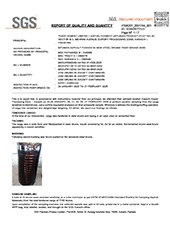
SGS Inspection Report Grade 35/50 Loading the Month of Jan-Feb 2026
Tiger Bitumen Price List
English Version
French Version