Supplier and Exporter of PMB 10/40 to PMB 200/300
Stockist and Exporter of Polymer Modified Bitumen Asphalt
Polymer Modified Bitumen (PMB) is paving-grade bitumen blended with a polymer to improve selected performance characteristics in road construction. Common modifiers include elastomers such as SBS (Styrene-Butadiene-Styrene), which can improve elastic recovery, and plastomers such as EVA (Ethylene Vinyl Acetate), which can increase stiffness. The performance of each binder depends on its formulation and the applicable specification.
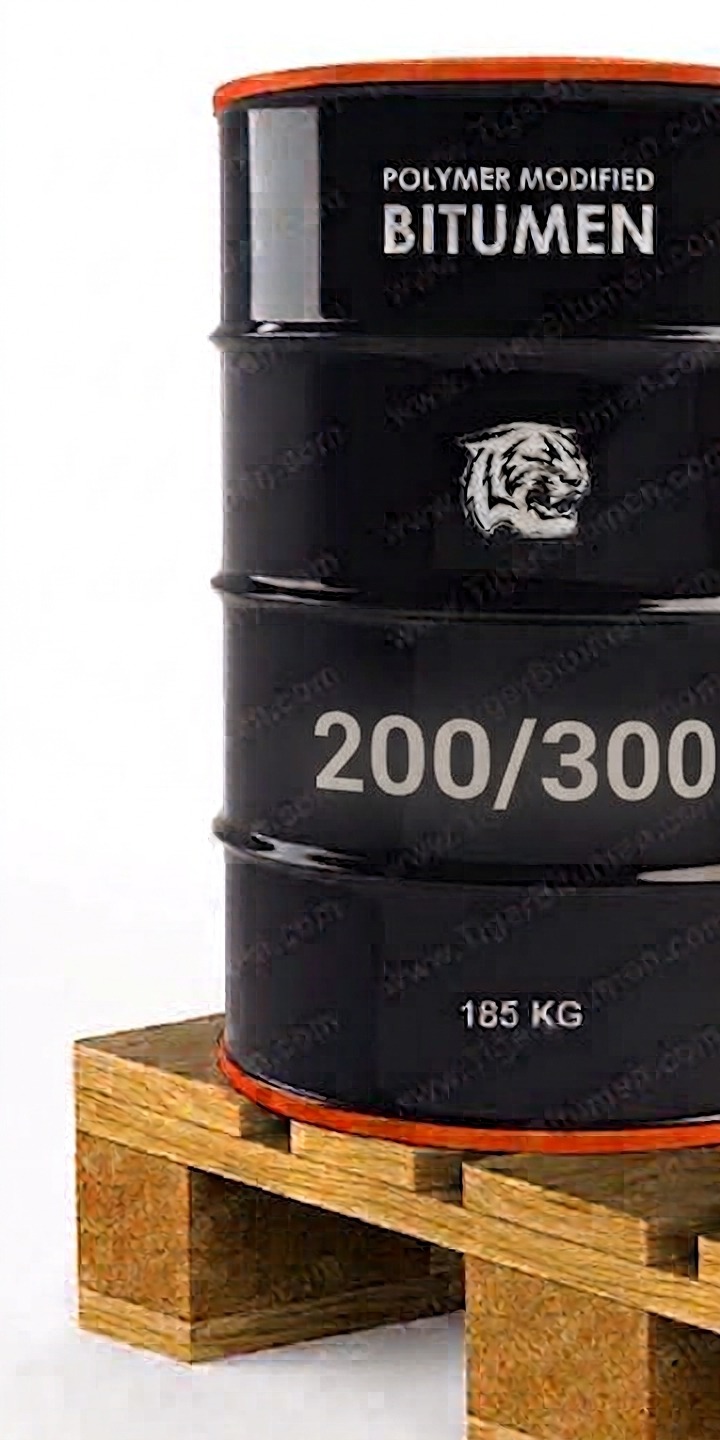
PMB is commonly used in hot-mix asphalt for pavements exposed to heavy traffic or demanding temperature conditions. Tiger Bitumen offers a range of PMB grades, from the harder PMB 10/40 to softer options such as PMB 120/200 and PMB 200/300. Review the relevant product specifications and confirm the complete designation required for your project.
Why Polymers Are Added to Bitumen
Conventional bitumen softens at high temperatures, which can contribute to rutting under heavy wheel loads. Conversely, it may become brittle in cold conditions and become more susceptible to cracking. Polymer modification can improve the binder’s performance across a wider temperature range, depending on the polymer system and formulation.
Compared with conventional unmodified bitumen, appropriately formulated PMB can provide:
- A higher softening point and improved resistance to rutting and permanent deformation.
- Better elastic recovery with suitable elastomeric modifiers.
- Improved flexibility at low service temperatures, where supported by the formulation and test results.
- Improved cohesion within the binder and adhesion to aggregate, depending on the material system.
- Better resistance to ageing-related performance changes when the formulation meets the relevant requirements.
For a detailed explanation, read What Is Polymer Modified Bitumen (PMB)?
Applications of PMB in Road Construction
PMB is specified for a variety of pavement applications where the project requires particular binder performance characteristics. Common applications include:
- Wearing and binder courses on highways, motorways and heavily trafficked urban roads.
- Airport runways, taxiways and aprons.
- Bus lanes, intersections, roundabouts and container yards exposed to heavy or slow-moving loads.
- Stone Mastic Asphalt (SMA), porous asphalt and selected thin surfacing layers.
- Bridge-deck surfacing and surface dressing (chip seal), where the specified binder is suitable for the application.
The appropriate PMB grade depends on the pavement design, traffic loading, climate, asphalt mixture and governing project specification.
How PMB Grades Are Named
Under EN 14023, a PMB designation combines a nominal penetration range with a minimum softening-point class. For example, in PMB 45/80-60, the 45/80 portion represents a penetration range of 45 to 80 in tenths of a millimetre (0.1 mm), measured at 25°C using EN 1426. The final number, 60, indicates a minimum Ring and Ball softening point of 60°C, measured using EN 1427.
A lower penetration range generally indicates a harder binder, while a higher range indicates a softer binder. However, penetration alone does not determine the right grade for a project. The complete designation, softening-point class, and other required properties must match the applicable specification.
For more detail, read Polymer Modified Bitumen Grades: Classification, Properties and Applications and explore the full Polymer Modified Bitumen product range.
Review the individual grade specifications before requesting a quotation:
- PMB 10/40 specifications
- PMB 25/55 specifications
- PMB 40/100 specifications
- PMB 45/80 specifications
- PMB 65/105 specifications
- PMB 75/130 specifications
- PMB 90/150 specifications
- PMB 120/200 specifications
- PMB 200/300 specifications
For additional technical guidance, see PMB Testing and Quality Control. Confirm the complete grade designation, test requirements, packaging, and destination when requesting an export quotation.
Polymer Modified Bitumen Grades
Tiger Bitumen supplies the following Polymer Modified Bitumen grades for export. Select a grade to view its specifications, or click Order Now to request a quotation.
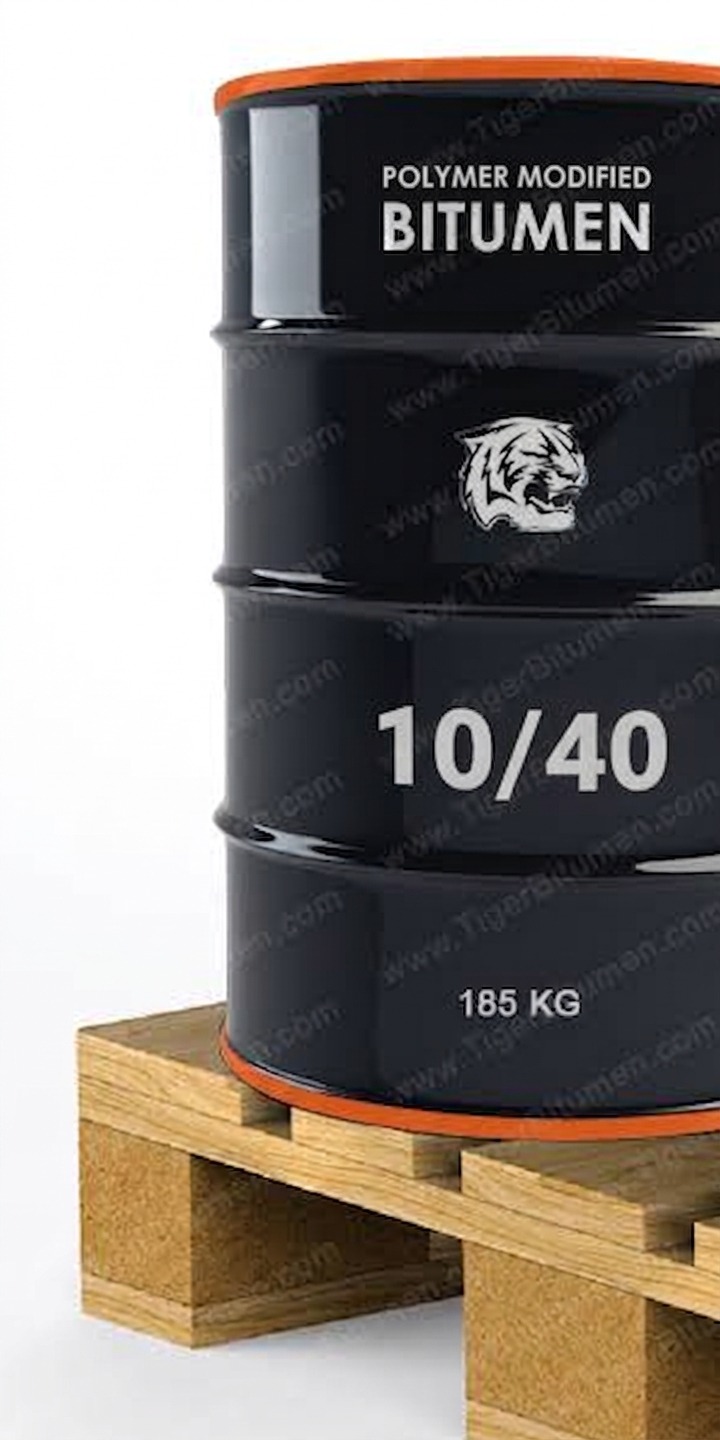
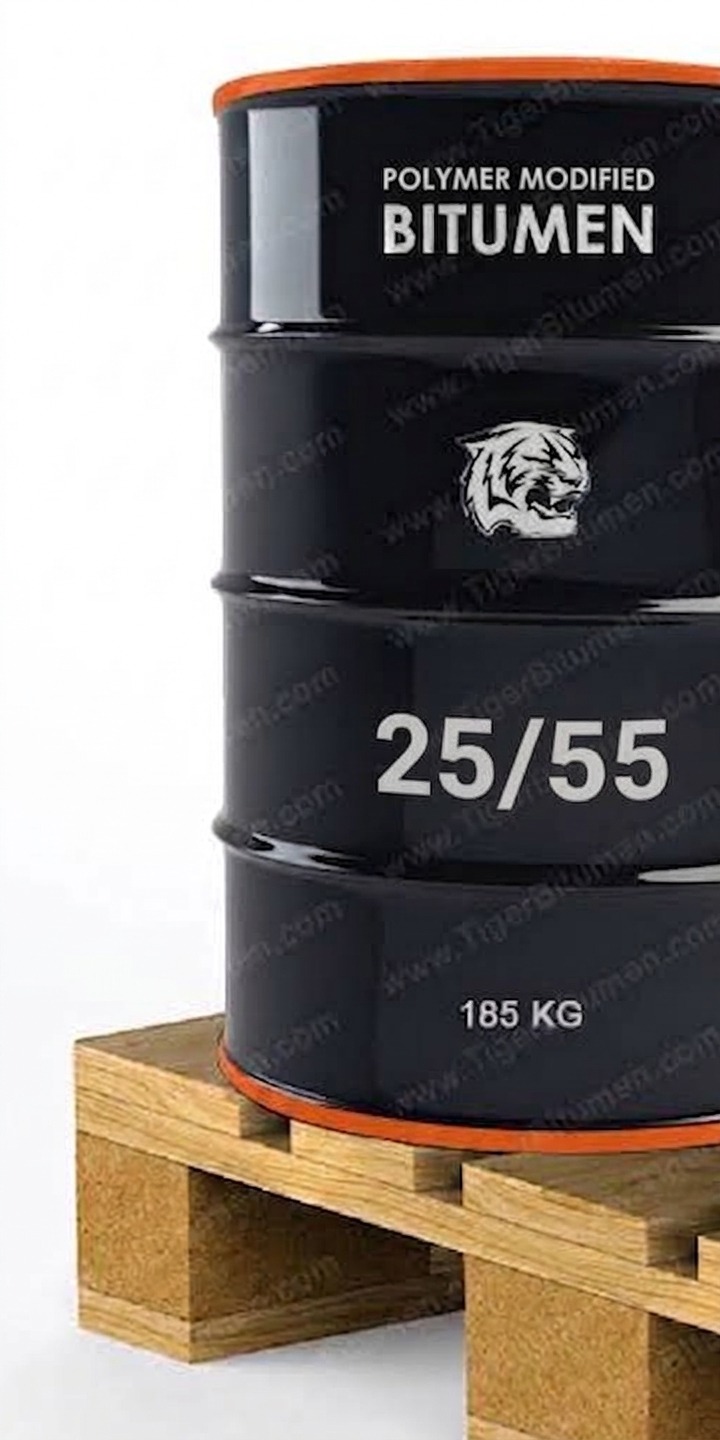
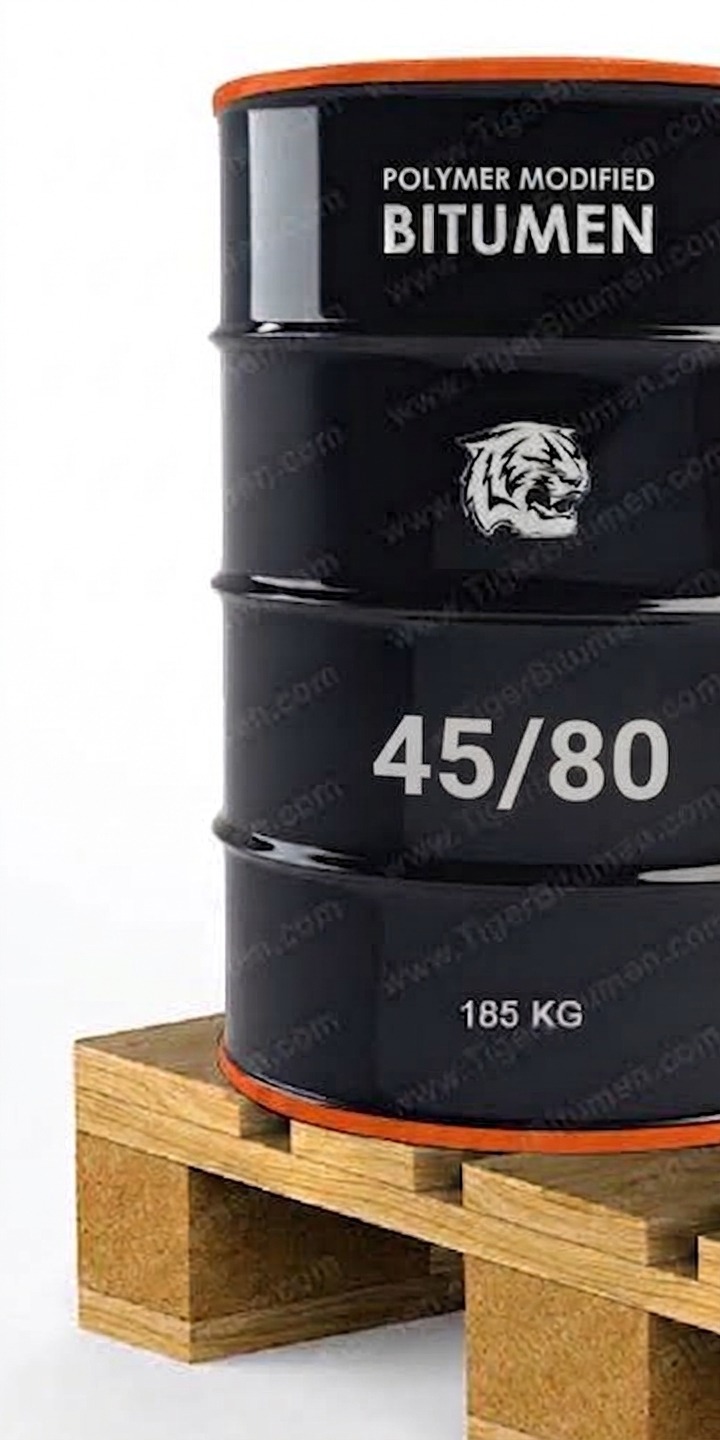
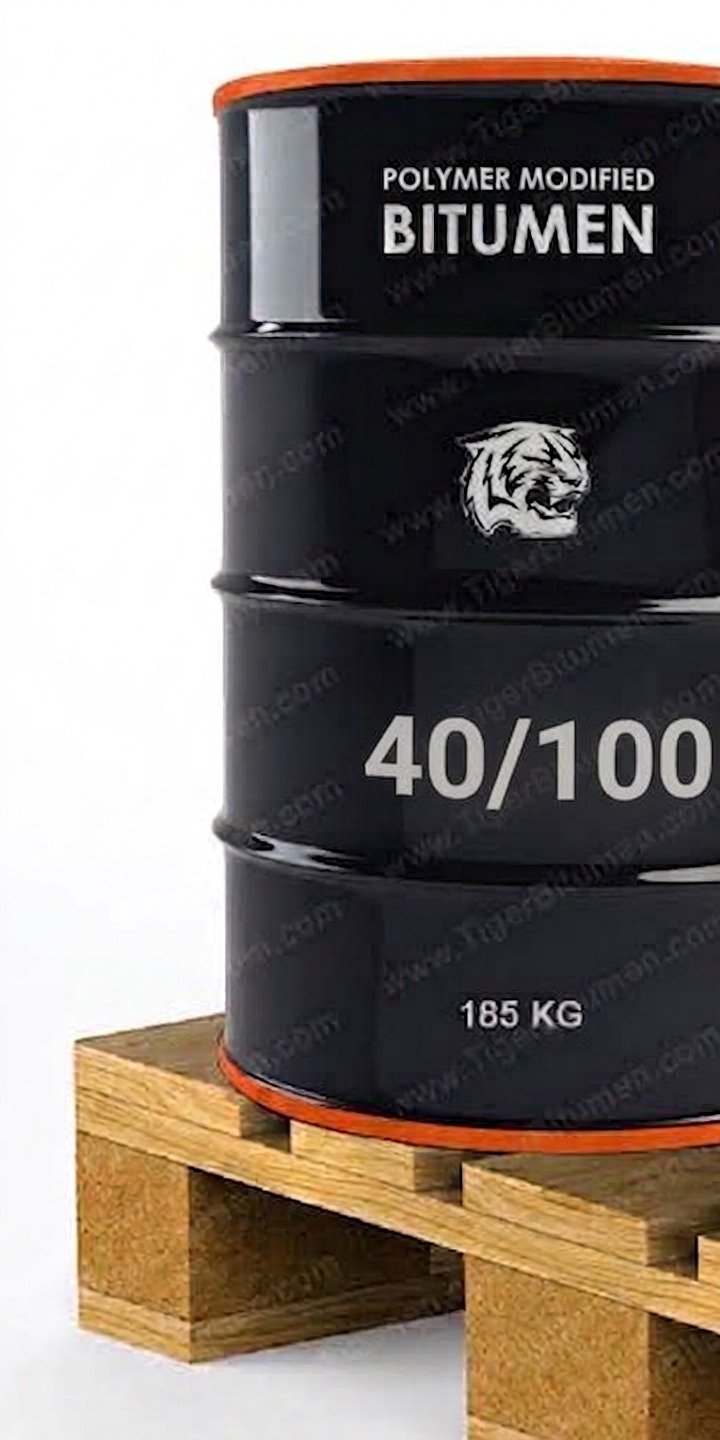
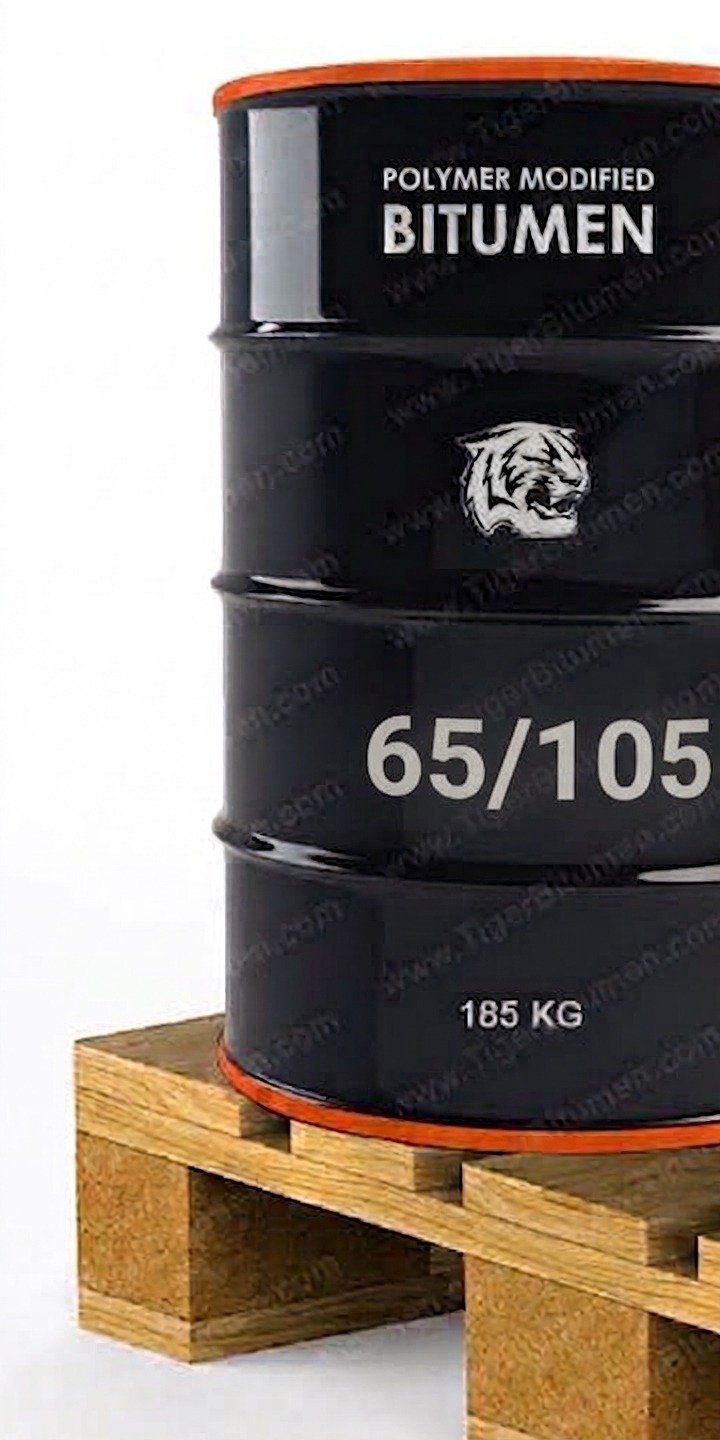
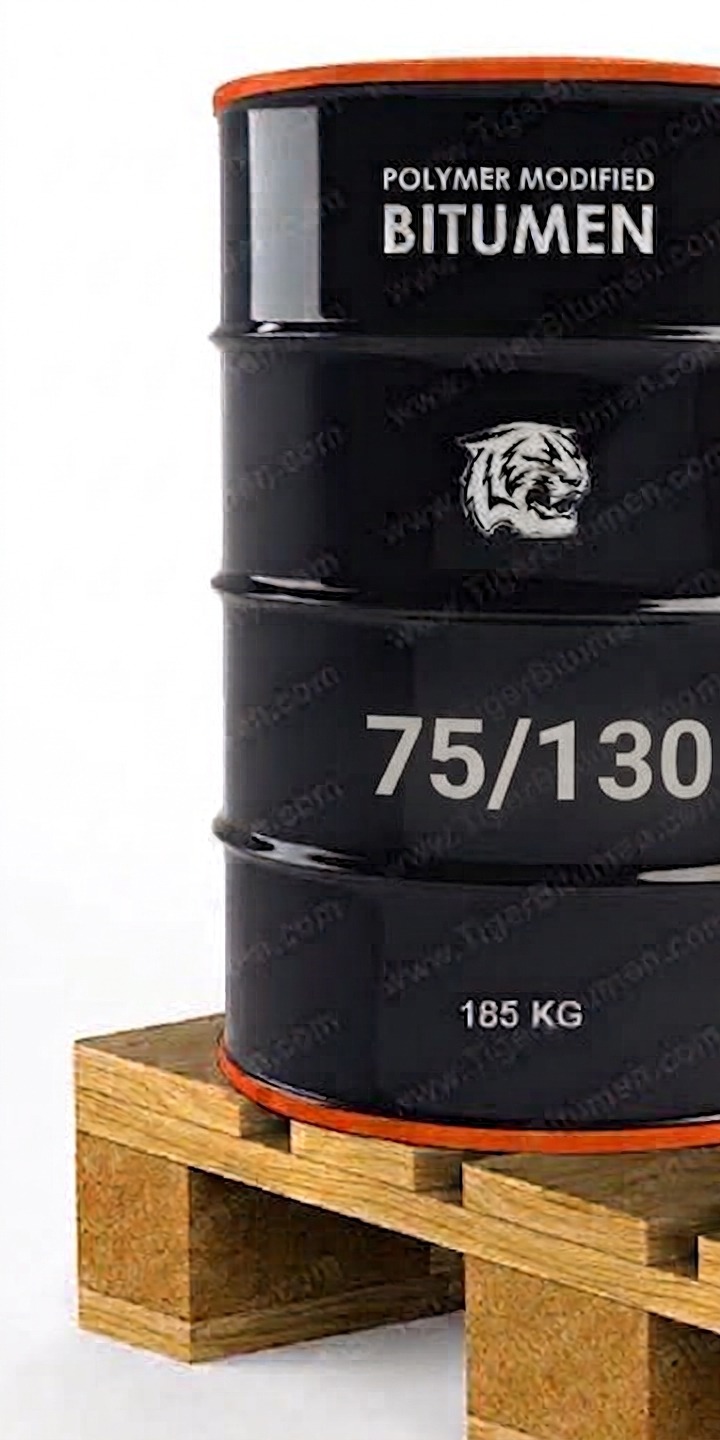
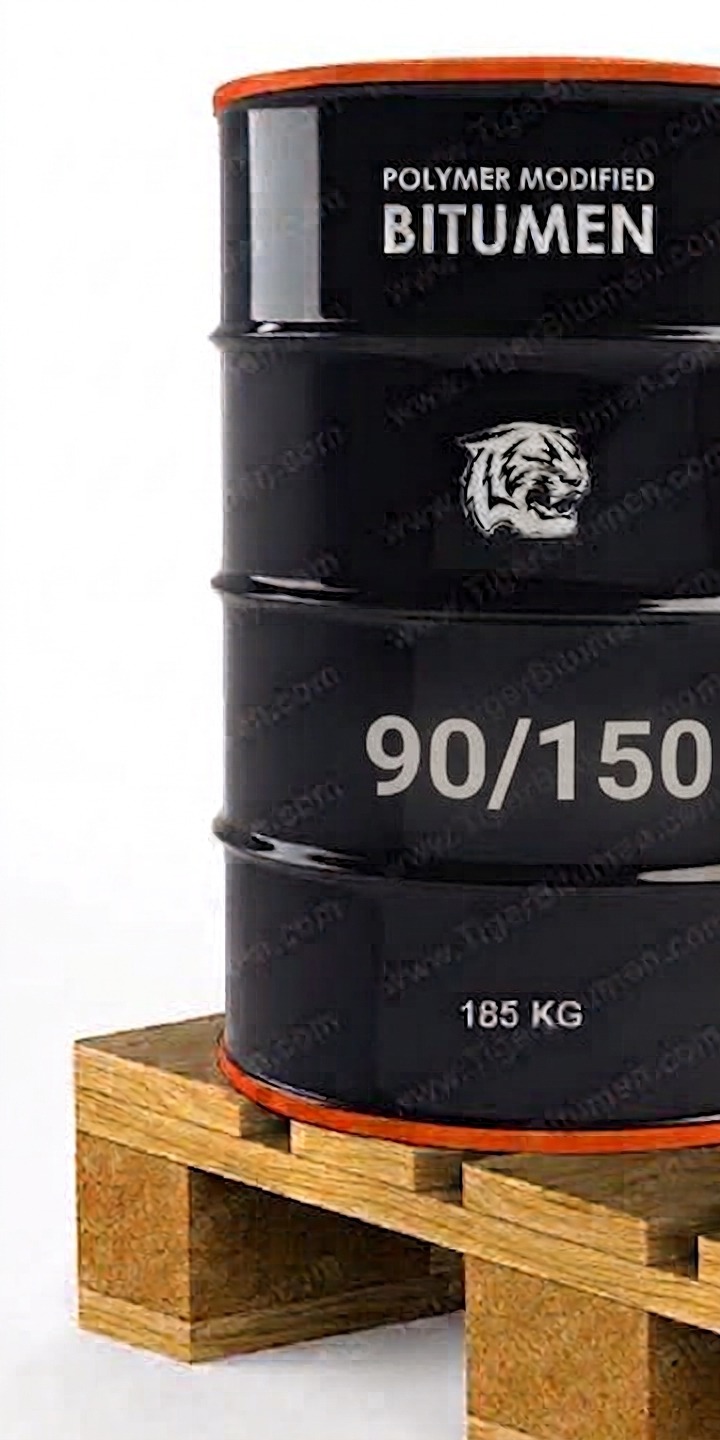
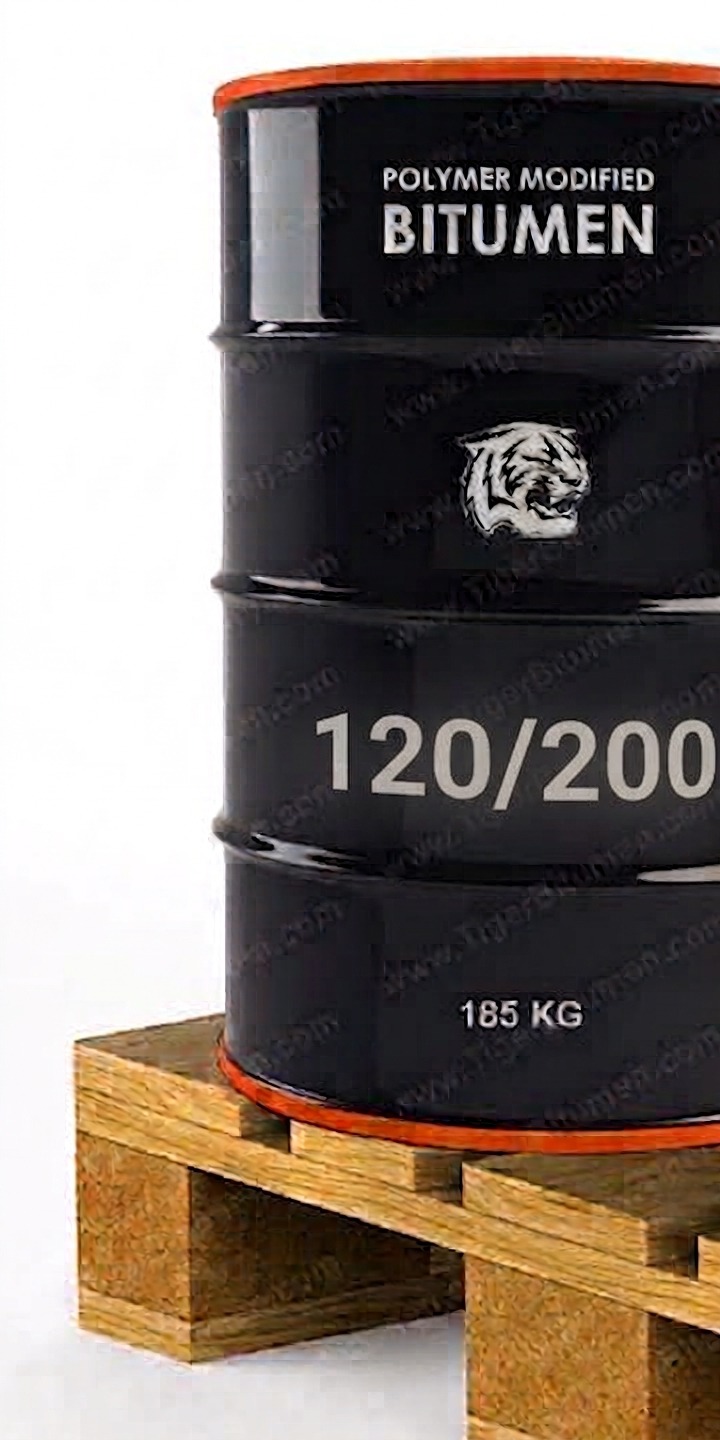


Request a PMB Quotation
To buy Polymer Modified Bitumen from Tiger Bitumen, send us the grade, quantity, required specification or standard, preferred packing and destination port. As a Polymer Modified Bitumen exporter, our team will confirm availability, packing and delivery terms with your quotation. See our Bitumen Packing and Bitumen Prices pages for more details.
Email: sales@tigerbitumen.com · Export Manager (WhatsApp): +92-321-820-8896
Frequently Asked Questions about Polymer Modified Bitumen
What is Polymer Modified Bitumen (PMB)?
Polymer Modified Bitumen is Paving Grade Bitumen blended with a polymer, most commonly an elastomer such as SBS or a plastomer such as EVA. The polymer raises the binder’s softening point and adds elasticity. Asphalt made with PMB therefore resists rutting in hot weather and cracking in cold weather better than asphalt made with unmodified bitumen.
What are the main applications of PMB?
PMB is used in Road Construction where pavements carry heavy traffic or face wide temperature ranges. Typical uses are wearing and binder courses on highways and busy urban roads, airport runways and aprons, intersections, bus lanes and container yards. It is also used in Stone Mastic Asphalt (SMA), porous asphalt, thin surfacings, bridge deck surfacing and surface dressing.
What is the difference between PMB grades?
PMB grades differ in hardness. The numbers in each grade name give the penetration range at 25 °C in tenths of a millimetre, so PMB 10/40 is the hardest grade in our range and PMB 120/200 the softest. Under EN 14023, a suffix such as “-55” in PMB 45/80-55 gives the minimum softening point in °C. Full properties for each grade are listed on its product page.
How do I select the right PMB grade?
Grade selection depends on the climate, traffic loading, asphalt layer and mix type, and above all the project specification. Harder grades are generally used in warmer climates and under heavy, slow-moving loads; softer grades suit cooler climates. Share your project specification with your enquiry and we will confirm which grade meets it.
How can I order PMB from Singapore Bitumen?
Send us the PMB grade, quantity, required specification, preferred packing and destination port through the Get Quotation page, by email or on WhatsApp. Our export team will reply with a quotation confirming availability, packing, price and delivery terms. Your order proceeds once the quotation is agreed.
Can I request a quotation and technical documents?
Yes. You can request a quotation through our Get Quotation page, by email at sales@tigerbitumen.com, or on WhatsApp at +92-321-820-8896. The specification for each grade is available on its product page. If your project needs further documents, such as test reports or a safety data sheet, list them in your enquiry and we will confirm what is available for that grade and shipment.
What packaging options are available for PMB?
Packing for PMB is confirmed grade by grade with each quotation. Our standard bitumen packing options, including new steel drums and jumbo bags shipped in 20’ft containers, are shown on our Bitumen Packing page. Tell us your preferred packing when you enquire and we will confirm whether it is available for the grade you need.