PMB 120/200 Polymer Modified Bitumen Supplier and Exporter
PMB 120/200 is a very soft grade in the Tiger Bitumen range of Polymer Modified Bitumen. It has a penetration range of 120 to 200 tenths of a millimetre (0.1 mm) at 25 °C. Compared with PMB 90/150, this grade has a softer consistency. Polymer modification can add elasticity and cohesion to the base bitumen. As a result, the binder may suit specialist applications that require high flexibility, including selected thin asphalt layers and hydraulic asphalt works where the project specification permits its use.
Key Characteristics and Benefits
- Very soft, high-penetration binder: Its penetration range of 120–200 (0.1 mm at 25 °C) gives it a very soft consistency.
- Low-temperature flexibility: Its soft consistency may help the binder accommodate thermal movement in cold conditions. Actual performance depends on the product formulation and declared specification.
- Polymer-enhanced elasticity and cohesion: Polymer modification can improve elastic recovery and cohesion, helping suitable asphalt layers maintain their integrity.
- Tolerance of movement: In an appropriate design, this type of binder may help flexible layers accommodate movement in the underlying structure.
- Controlled working temperatures: Mixing and laying temperatures depend on the formulation. Therefore, follow the supplier’s technical data sheet and approved mix design.
Applications
- Thin and very thin asphalt layers where the approved design requires high flexibility
- Hydraulic asphalt works, including canal, reservoir and embankment linings, where specified
- Selected asphalt surfacings in very cold climates
- Flexible layers over surfaces subject to movement
- Specialist applications that call for a very soft polymer-modified binder
Choosing the Right Grade
This grade may be suitable when flexibility and low-temperature performance are more important than stiffness. However, the project team should also consider traffic loading, climate, pavement structure and the required performance class.
For road wearing courses that need greater stiffness and rutting resistance, a firmer grade such as PMB 65/105 may be worth evaluating. Its suitability will depend on the application and the approved specification. Ultimately, the project specification and asphalt mix design should determine the grade. Share your requirements with our team so we can confirm whether this product is suitable.
Technical Specifications and EN 14023
EN 14023 provides a framework for specifying polymer-modified bitumen used on roads, airfields and other paved areas. The 120/200 designation identifies the penetration range at 25 °C, measured according to EN 1426.
The full designation also includes a minimum softening-point class measured using the Ring and Ball method under EN 1427. PMB 120/200-40 is one designation referenced for this penetration grade. Confirm that this designation applies to the actual product being offered.
Other properties, including cohesion, resistance to hardening, flash point, Fraass breaking point, elastic recovery and storage stability, depend on the applicable specification class and declared product performance. Confirm the full designation and required test values against the technical data sheet for the actual supply.
Tiger Brand PMB 120/200 Specification
| Property | Unit | Test Method | Specification |
| Penetration @ 25 °C | 0.1 mm | EN 1426 | 120 – 200 |
EN 14023 Properties and Test Methods
The table below lists the main properties used to define a full EN 14023 specification for this grade. It also identifies the relevant test methods and explains how the applicable requirement is established.
| Property | Unit | Test Method | How the Requirement Is Set |
| Penetration @ 25 °C | 0.1 mm | EN 1426 | Fixed by the grade name (120 – 200) |
| Softening Point (Ring & Ball) | °C | EN 1427 | Minimum set by the full designation suffix |
| Cohesion – Force Ductility | J/cm² | EN 13589 / EN 13703 | EN 14023 class declared for the product |
| Resistance to Hardening (RTFOT): Change of Mass, Retained Penetration, Increase in Softening Point | %,%,°C | EN 12607-1 / EN 1426 / EN 1427 | EN 14023 class declared for the product |
| Flash Point | °C | EN ISO 2592 | EN 14023 class declared for the product |
| Fraass Breaking Point | °C | EN 12593 | Where required by the specification |
| Elastic Recovery | % | EN 13398 | Where required by the specification |
| Storage Stability | °C, 0.1 mm | EN 13399 | Where required by the specification |
The confirmed product specification states the declared values and applicable requirements for each property. Always check this document before procurement to ensure that the supplied grade meets the project requirements.
Request a Quotation
To request a quotation, provide your required quantity, specification or standard, preferred packing and destination port. Our team can confirm availability, packing, price and delivery terms. You can also review our Bitumen Packing and Bitumen Prices pages for further information.
Contact: Email: sales@tigerbitumen.com · Export Manager (WhatsApp): +92-321-820-8896
PMB 120/200 Frequently Asked Questions
What is PMB 120/200?
PMB 120/200 is a very soft Polymer Modified Bitumen with a penetration of 120 to 200 tenths of a millimetre at 25 °C. It is made by blending a soft base bitumen with a polymer, which adds elasticity and cohesion while keeping the binder highly flexible.
What is PMB 120/200 used for?
PMB 120/200 is used where maximum binder flexibility is required, such as thin and very thin asphalt layers, surfacings in very cold climates, hydraulic asphalt works and layers over surfaces subject to movement.
Is PMB 120/200 the same as PMB 120?
No. PMB 120/200 is a European EN 14023 grade with a penetration of 120–200. “PMB 120” is a grade name from the Indian standard IS 15462:2004, with a penetration of 90–150, so it is closer to PMB 90/150. Always check which standard your project specification refers to.
What does the full PMB 120/200 designation mean?
Under European Standard EN 14023, a PMB is named by its penetration range and its minimum softening point. For example, a grade written as PMB 120/200-40 has a penetration of 120–200 and a minimum softening point of 40 °C. The softening point class of the PMB 120/200 we supply is stated in the specification sent with your quotation.
How do I know if PMB 120/200 is right for my project?
The grade should follow your project specification and mix design, which take account of climate, loading and the type of layer or structure. Send us your specification with your enquiry and we will confirm whether PMB 120/200 meets it or whether another PMB grade is a better match.
How can I order PMB 120/200?
Request a quotation through our Get Quotation page, by email at sales@tigerbitumen.com or on WhatsApp at +92-321-820-8896. Include the quantity, required specification, preferred packing and destination port. Our export team will confirm availability, packing, price and delivery terms, and list any technical documents available for the shipment.


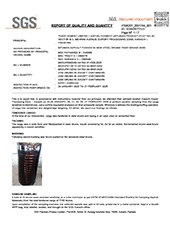
SGS Inspection Report Grade 35/50 Loading the Month of Jan-Feb 2026
Tiger Bitumen Price List
English Version
French Version